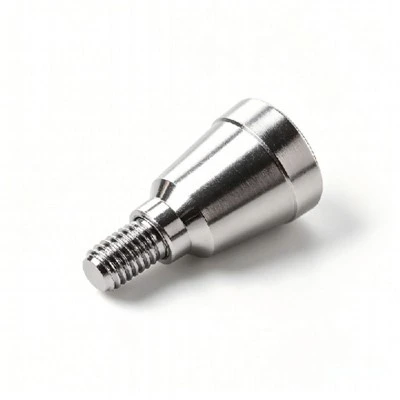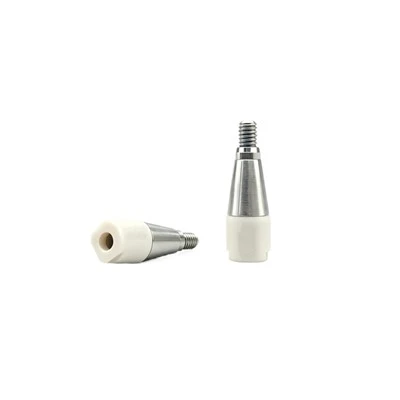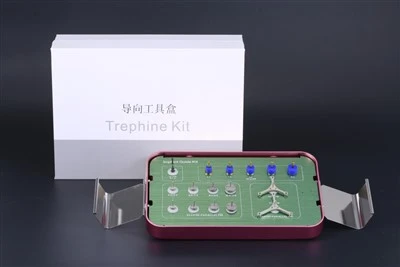

The implant prosthetic torque wrench is a precision manual instrument engineered to apply or control specified tightening torque on dental implant prosthetic components. Selecting the correct instrument requires matching the operational torque range, connection interface, adjustment mechanism, and system compatibility to the intended restorative components.
For implant system manufacturers, surgical instrument distributors, and OEM/ODM partners, these specifications form the foundation of technical evaluation, inventory integration, and portfolio development.
Key Technical Specifications
|
Specification Parameter |
Evaluation Details |
|
Product Type |
Dental Implant Prosthetic Torque Wrench |
|
Intended Function |
Controlled tightening of implant prosthetic components |
|
Torque Range |
Model-specific (To be confirmed by technical datasheet) |
|
Torque Units |
N·cm (or corresponding standardized measurement units) |
|
Setting Mechanism |
Fixed preset / Adjustable scale (Confirm by model) |
|
Connection Interface |
Standardized or proprietary driver compatibility (Verify by model) |
|
Material Composition |
Medical-grade alloy / Stainless steel (Confirm per material certificate) |
|
Reprocessing Profile |
Autoclavable / Reusable (Follow validated IFU) |
|
System Compatibility |
Compatible implant prosthetic platforms (Confirm via compatibility matrix) |
Model Selection & System Compatibility
Procuring the correct torque wrench involves a rigorous matching process between the instrument and the restorative ecosystem.
Torque Range & Setting Verification
Identify the exact tightening torque required for the prosthetic screw or abutment. Confirm the instrument's graduation increments, tolerance limits, and operational feedback mechanism (e.g., click-stop or breakaway design). Do not assume interchangeability across different nominal ranges or manufacturer designs.
Interface and Driver Compatibility
Ensure the wrench's connection geometry accurately mates with the required driver or insert. Physical mismatching can lead to slippage, thread damage, or inaccurate torque delivery. Review technical drawings or interface compatibility documentation before committing to volume orders.
Reprocessing & Lifecycle Management
For reusable surgical and prosthetic instruments, evaluate the validated instructions for use (IFU). Verify the maximum recommended sterilization cycles, acceptable chemical cleaning agents, and recommended maintenance or calibration intervals to ensure long-term clinical reliability.
Regulatory Compliance & Quality Assurance
Quality Management Standards: Manufactured under established systems (such as ISO 13485 compliance frameworks).
Regulatory Documentation: Availability of technical files, Declarations of Conformity, and market-specific clearance support upon request.
Batch Traceability: Full lot-number tracking ensuring complete history from raw material sourcing to final delivery.
Performance Verification: Documented inspection protocols ensuring consistent torque delivery and mechanical endurance.
Product Applications
Final Abutment Seating: Used during the connection of multi-unit or custom abutments to internal or external implant fixtures, ensuring the fastener achieves the manufacturer-recommended N·cm value without overloading internal threads.
Prosthetic Screw Final Tightening: Applied during the securement of screw-retained crowns, bridges, or hybrid bars to prevent post-operative screw loosening under cyclic masticatory loading.
Multi-Unit Platform Management: Utilized with specialized drivers to torque down intermediate conical abutments and prosthetic cylinders in full-arch restorations.
Dental Laboratory Master-Model Assembly: Employed by laboratory technicians during the analog-to-abutment verification and fixture-level model fabrication phase to check component fit prior to clinical delivery.
Manufacturing, Quality Control & Traceability
When conducting supplier evaluation, request documentation covering:
Dimensional Inspection Reports: Verification of critical tolerances, connection interfaces, and mechanical clearances.
Torque Accuracy Testing: Empirical test data and acceptance criteria for the supplied batch.
Material Traceability: Mill test certificates or material compliance records for the raw alloys used.
Surface Finish Verification: Inspection reports confirming corrosion resistance, passivation, and surface smoothness.
OEM/ODM & Wholesale Supply Framework
Specification Submission: Provide target application parameters, required torque specifications, interface drawings, and estimated annual volume.
Feasibility & Engineering Review: Technical teams evaluate mechanical tolerances, regulatory pathways, and tooling requirements.
Sample Evaluation: Functional samples provided for laboratory testing, mechanical validation, and ergonomic assessment.
Volume Production & Quality Assurance: Controlled manufacturing runs executed under strict medical device quality controls.
Frequently Asked Questions
Hot Tags: implant prosthetic torque wrench, China implant prosthetic torque wrench manufacturers, suppliers, implant direct healing abutments, implant laboratory analog, osstem Pre Milled Abutment, straumann impression coping open tray, straumann nc impression post closed tray, zimmer ti base