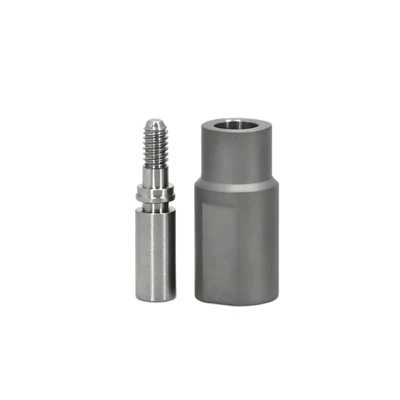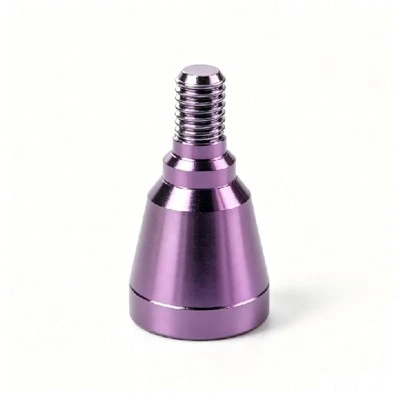
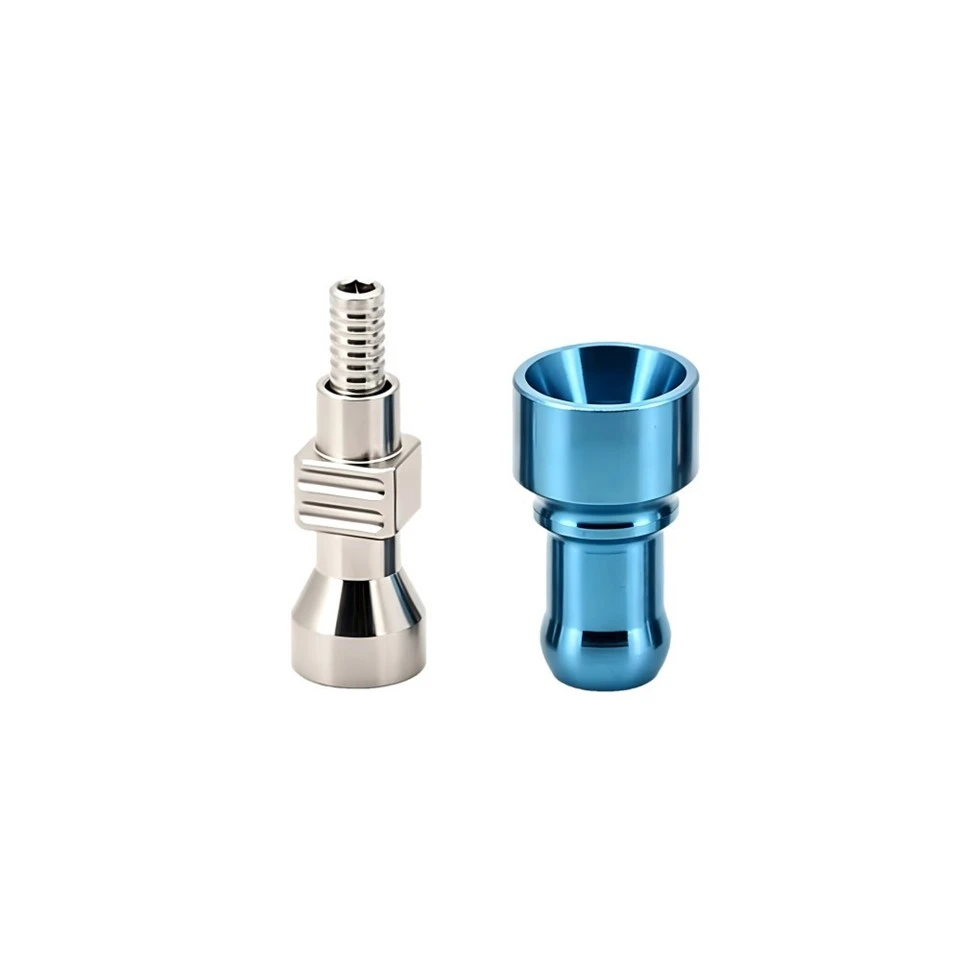
An impression coping is a transfer device used to capture the spatial position and orientation of an implant fixture. For single-implant restorations, accurate transfer prevents rotational mismatch and marginal misfit in the final prosthesis.
Primary Function: Transfers implant platform location, angulation, and rotational orientation.
Application Scope: Single-implant restorative workflows utilizing conventional or compatible impression transfer protocols.
Compatibility Principle: Impression copings are system-specific. Interchangeability depends entirely on precision-matched internal or external connection geometries rather than visual similarity.
Product Selection & Technical Parameters
|
Parameter |
Technical Requirement |
Verification Basis |
|
Implant System Compatibility |
Brand, product family, platform diameter, and connection series |
Reference part number or verified engineering drawing |
|
Impression Technique |
Open-tray or closed-tray configuration |
Clinical protocol and tray design requirements |
|
Engagement Configuration |
Engaging (anti-rotational) or non-existent rotational feature |
Restorative design and implant interface requirement |
|
Material Composition |
Medical-grade stainless steel or titanium alloy |
Raw material certificate and grade compliance |
|
Dimensional Tolerances |
Critical platform dimensions, thread pitch, and length tolerances |
Optical comparator and high-precision gauge inspection |
|
Fixation Screw & Interface |
Matching thread profile and specified driver engagement slot |
Drive tool compatibility and torque validation |
|
Surface Finish |
Deburred, cleaned, and passivated state |
Surface roughness and cleanliness specifications |
|
Traceability & Packaging |
Laser-etched part numbers, lot identification, and individual packaging |
Labeling protocols and batch record retention |
Key Product Characteristics
Anti-Rotational Precision: Engineered with exact engagement features to maintain precise rotational orientation of the single implant platform throughout transfer procedures.
Dimensional Stability: High structural rigidity prevents deflection, distortion, or micro-movement under clinical forces and impression material extraction.
Optimized Surface Retention: Micro-grooves and textured retention zones designed to mechanically lock into impression materials, preventing slippage or displacement during tray removal.
Exact Interface Matching: Precision-machined connection geometry ensures seamless seating onto the implant fixture without binding or marginal gap formation.
Corrosion Resistance: Manufactured from biocompatible, corrosion-resistant metals capable of withstanding standard laboratory handling and chemical exposure.
Typical Clinical & Laboratory Applications
Conventional Tray Impression Transfers: Used in clinical settings with open-tray or closed-tray impression protocols to capture single-implant positions.
Master Model Fabrication: Provides the exact spatial coordinate reference required by dental laboratories to pour accurate plaster or resin working models.
Prosthetic Component Alignment: Serves as the primary reference interface for dental technicians to design and fabricate custom abutments and crowns matching the implant axis.
Diagnostic Verification: Utilized in preliminary diagnostic procedures to evaluate inter-arch clearance, implant angulation, and path of insertion prior to final restoration.
Manufacturing & Quality Control Protocols
Ensuring batch-to-batch consistency for precision dental components requires controlled processing and rigorous inspection standards:
Drawing & Revision Control: Machining executed strictly to approved engineering blueprints and defined critical dimension tolerances.
Material Verification: Supply chain raw materials inspected for verified chemical composition and mechanical properties prior to production.
Dimensional Inspection: 100% or statistical sampling inspection utilizing optical measuring systems and thread plug gauges.
Process Stability: Documented CNC machining parameters, scheduled tool replacements, and strict segregation of non-conforming parts.
Lot Traceability: Permanent laser marking on component bodies and packaging to enable full manufacturing batch tracking.
Custom & OEM Engineering Support
For system brand owners, regional distributors, and component manufacturers, custom production and private-label manufacturing follow a structured validation workflow:
Technical Review: Evaluation of client-supplied engineering drawings, 3D models, or physical reference samples.
Interface Analysis: Verifying platform geometry, tolerance stack-ups, thread specifications, and functional compatibility.
Sample Prototype Production: Manufacturing trial batches for physical and mechanical evaluation.
Volume Production Control: Scheduled manufacturing under agreed quality assurance parameters and delivery terms.
Frequently Asked Questions
Hot Tags: implant impression coping for single implants, China implant impression coping for single implants manufacturers, suppliers, bone graft punch, Dental Drill Extension, dental unit, implant torque driver, Spring Bone Meal Collector, Universal Implant Torque Wrench